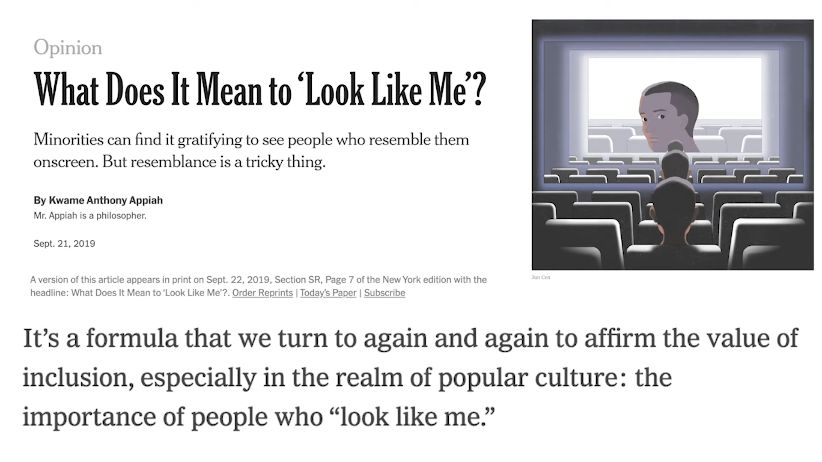
Kwame Anthony Appiah
Public philosophy, pop culture, and the stories behind thought experiments.
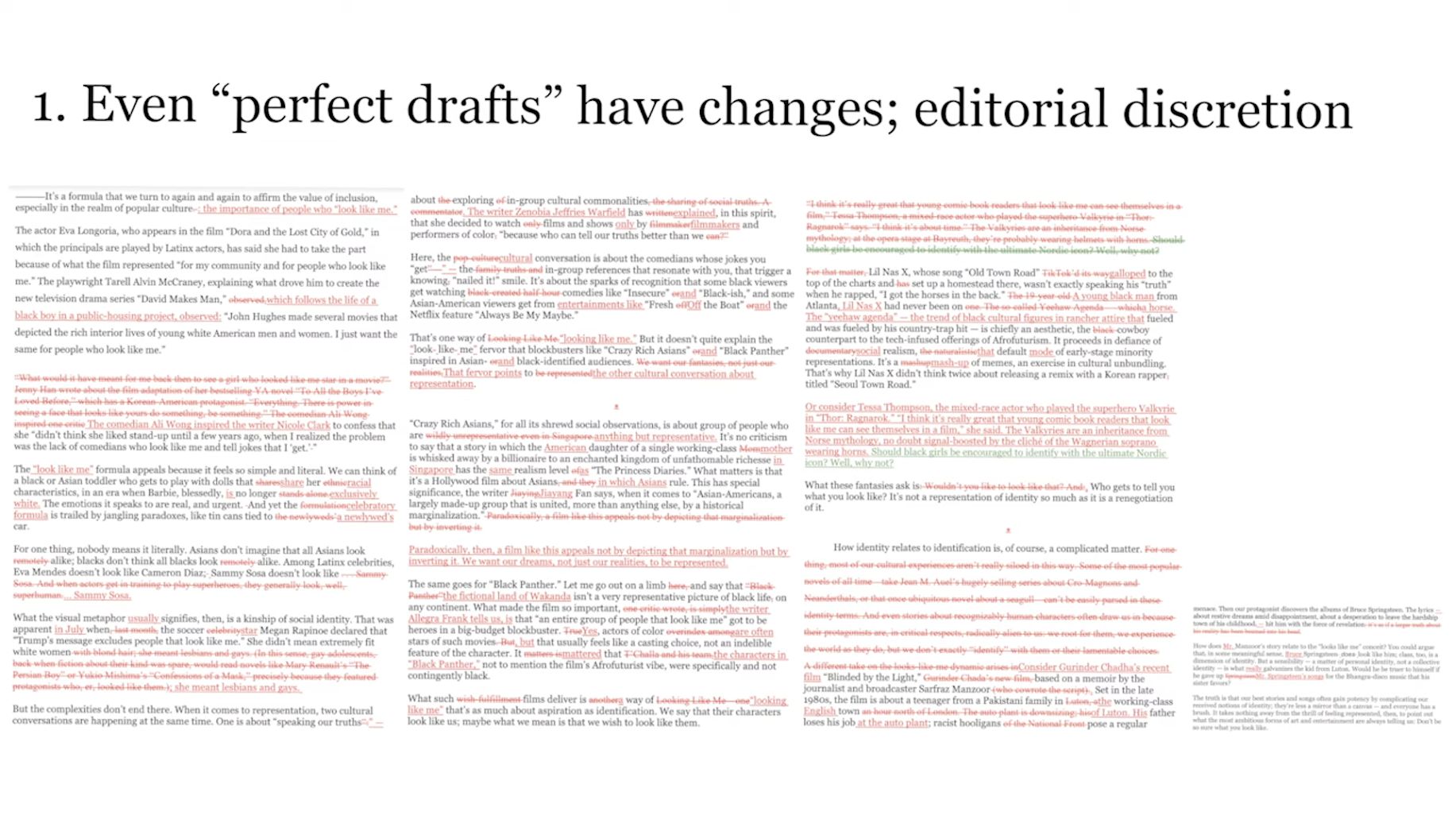
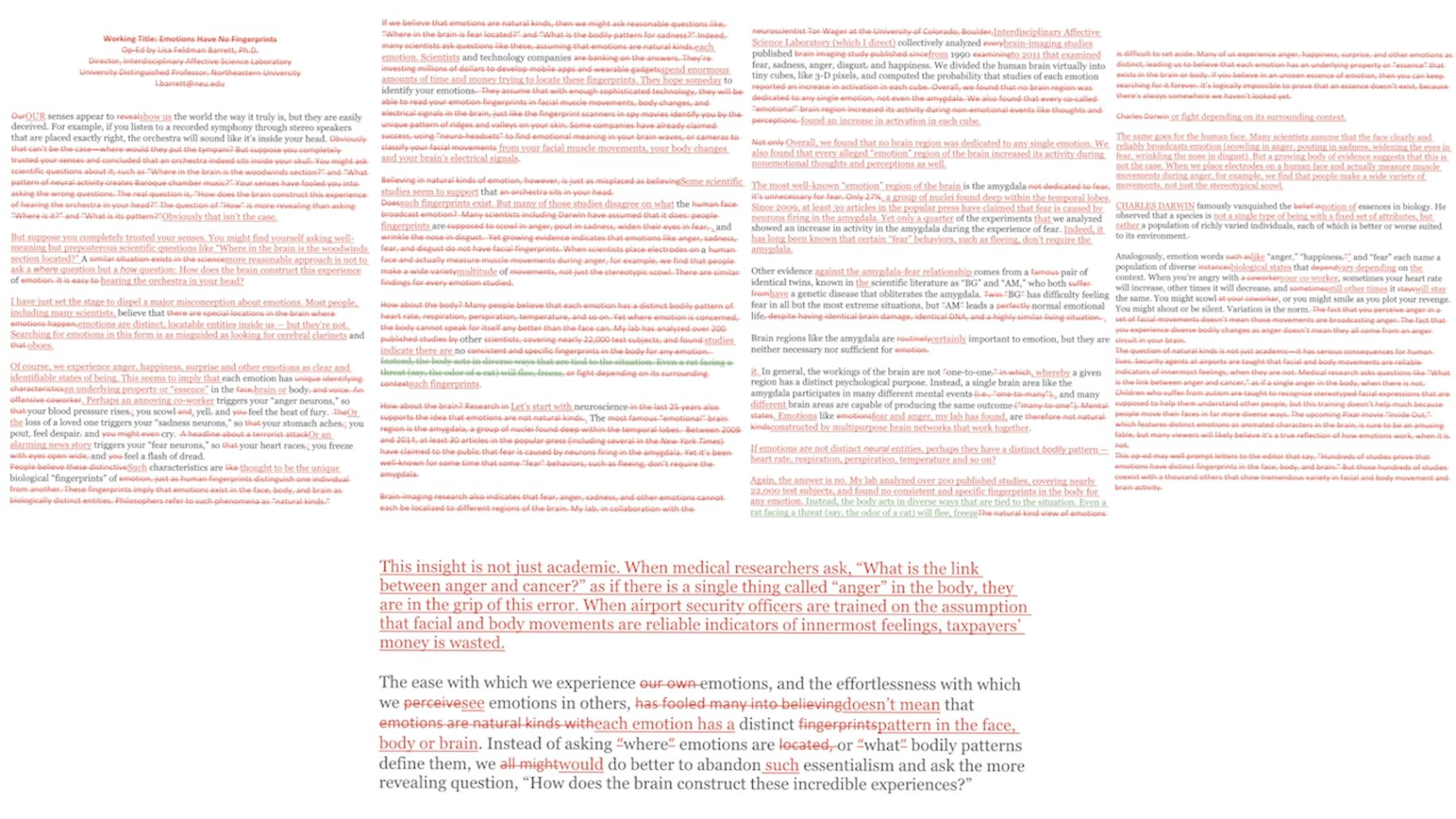
- Even “perfect drafts” have changes; editorial discretion
- Lead with your own voice; use quotations to drive home
- Explain everything except for the household names
Dave Nussbaum
Pitching op-eds and finding the structure of an ideas piece.
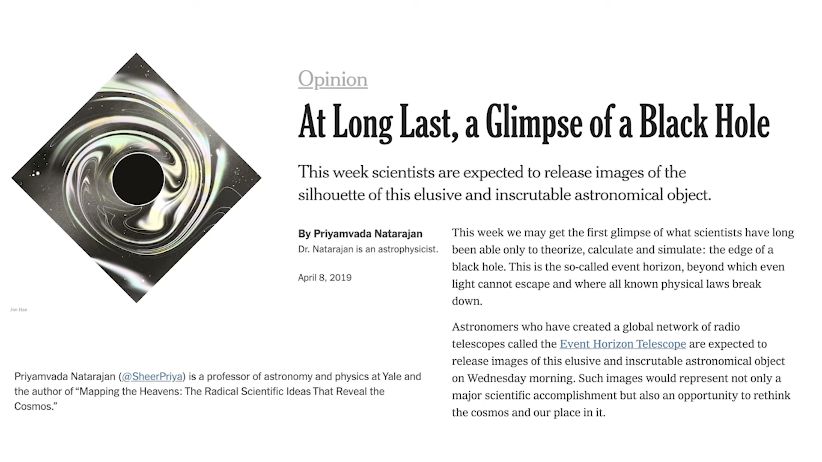
Priyamvada Natarajan
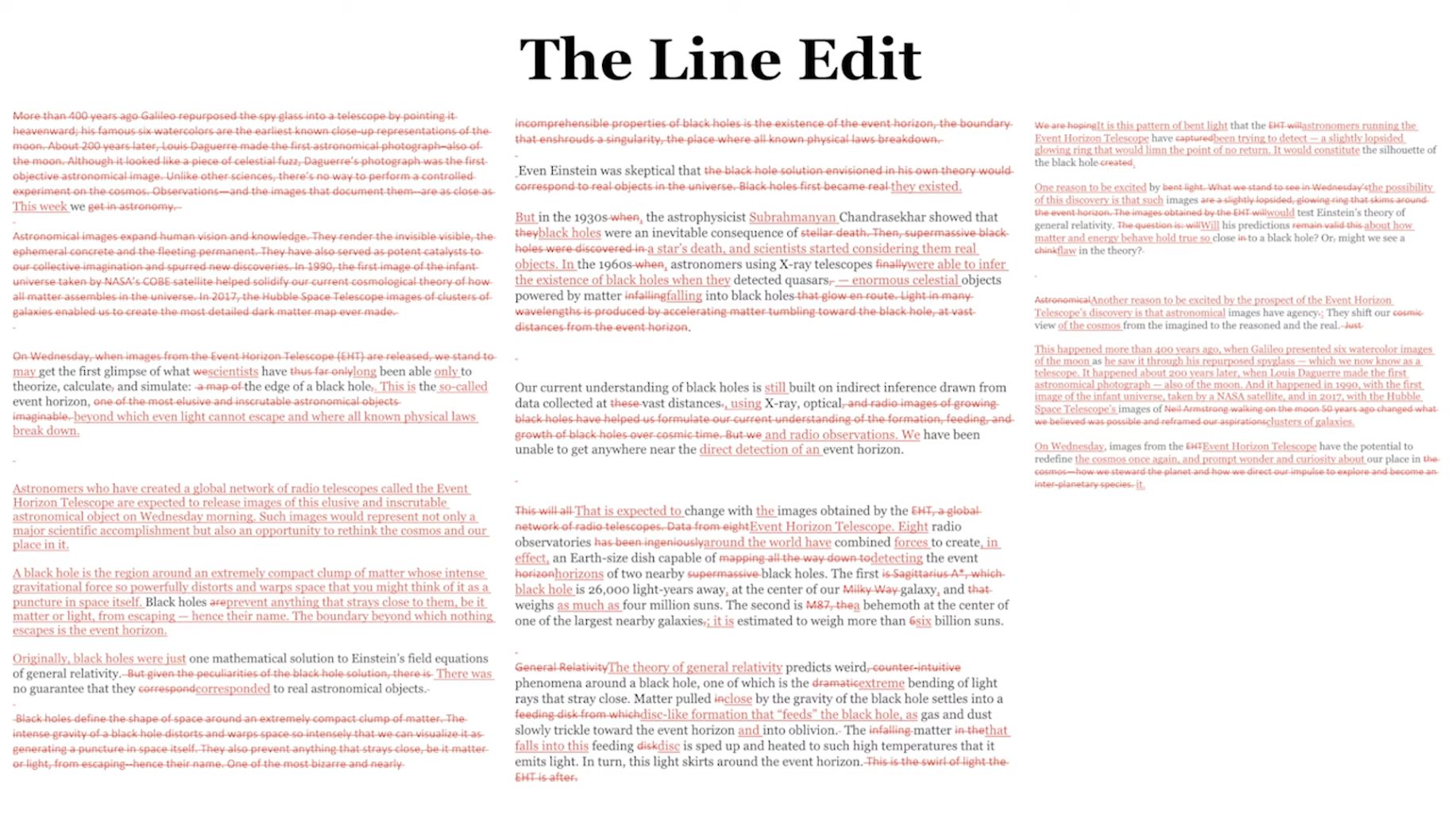
Black holes, science communication, and the journey from scientist to writer.
- Don't bury the lede; history can work, but start with action
- Generally, don't open up new questions at the close
- Take information out to keep people in
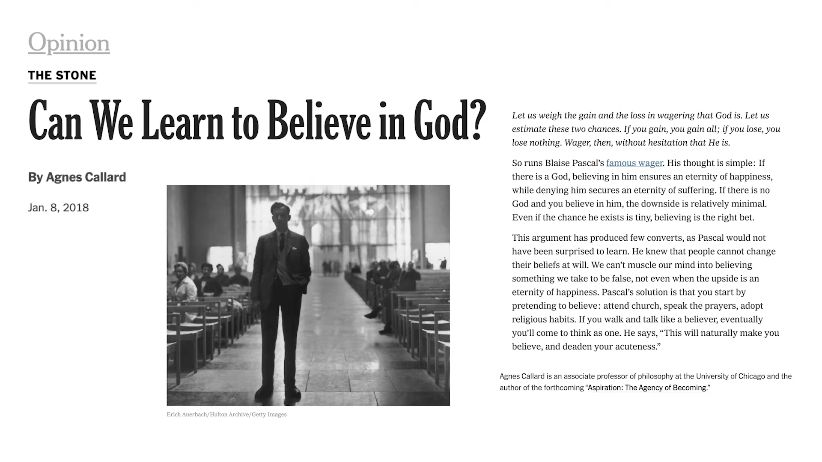
Agnes Callard
Public philosophy, developing a column, and learning to believe in God.
- Each piece is drawn from a population of pieces
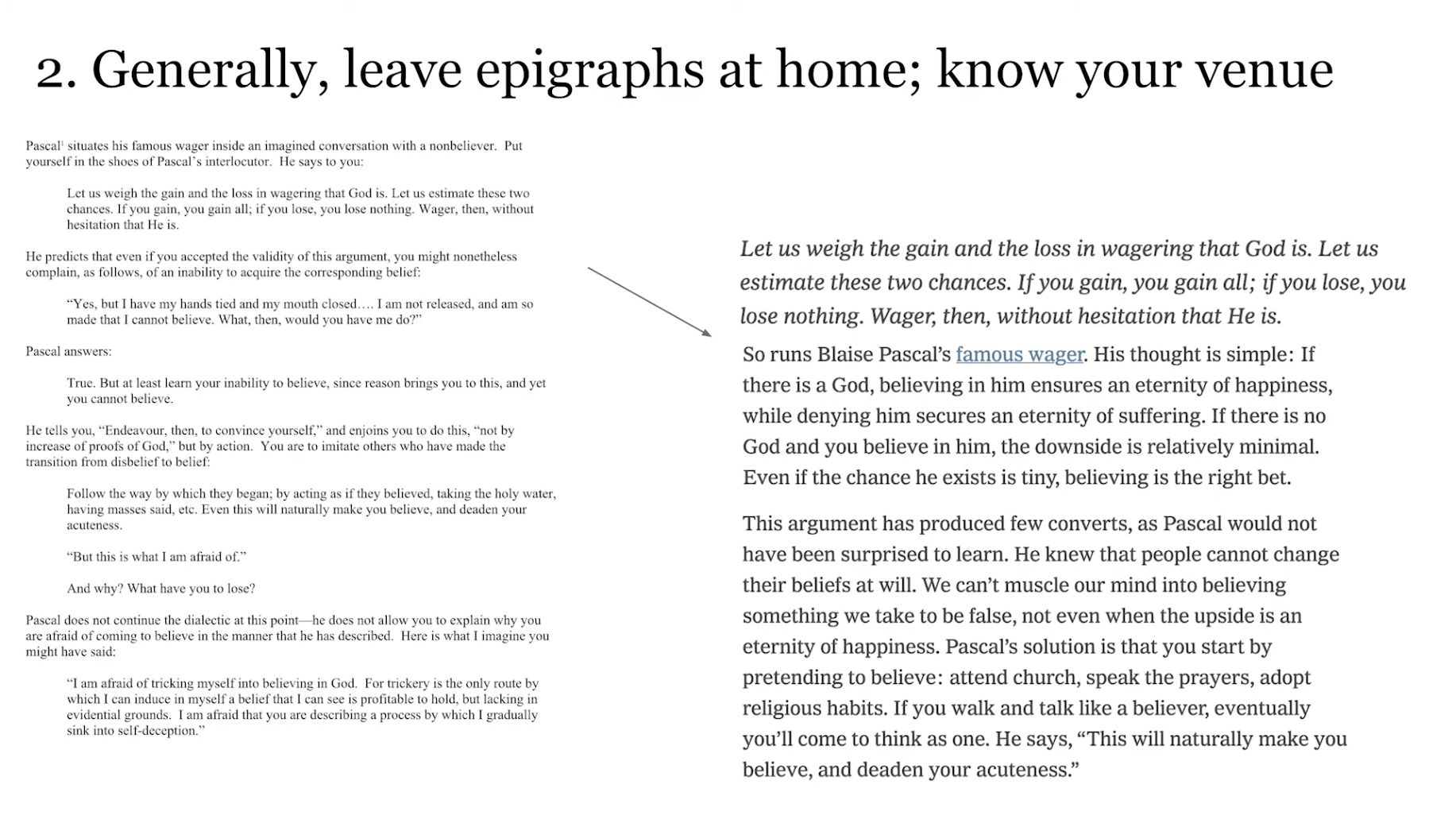
- Generally, leave epigraphs at home; know your venue
- Though you don't choose headlines, write engaging ones
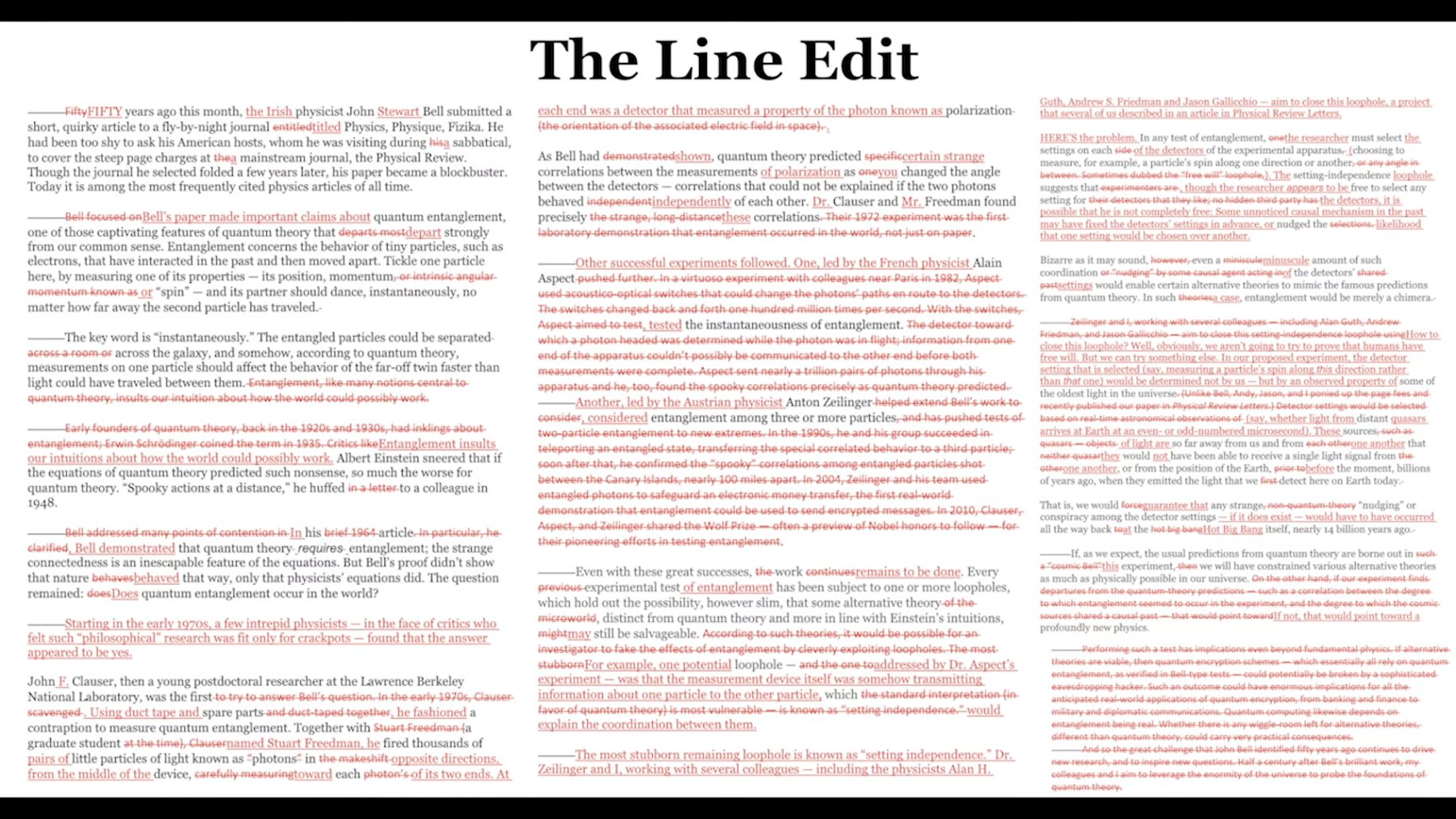
David Kaiser
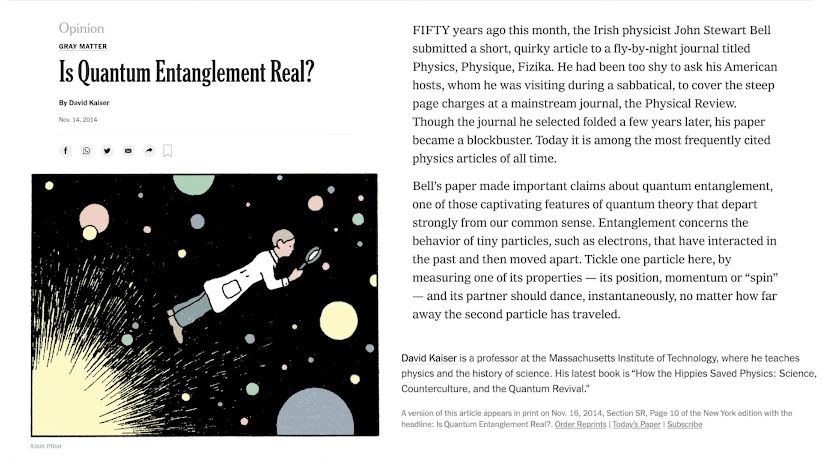
Explaining quantum entanglement and writing about the history of physics.
- Don't hunt for your peg; the value of the explainer piece
- Examples: one can be better than many
- Explain the complex idea before giving it a “handle”
S. Matthew Liao
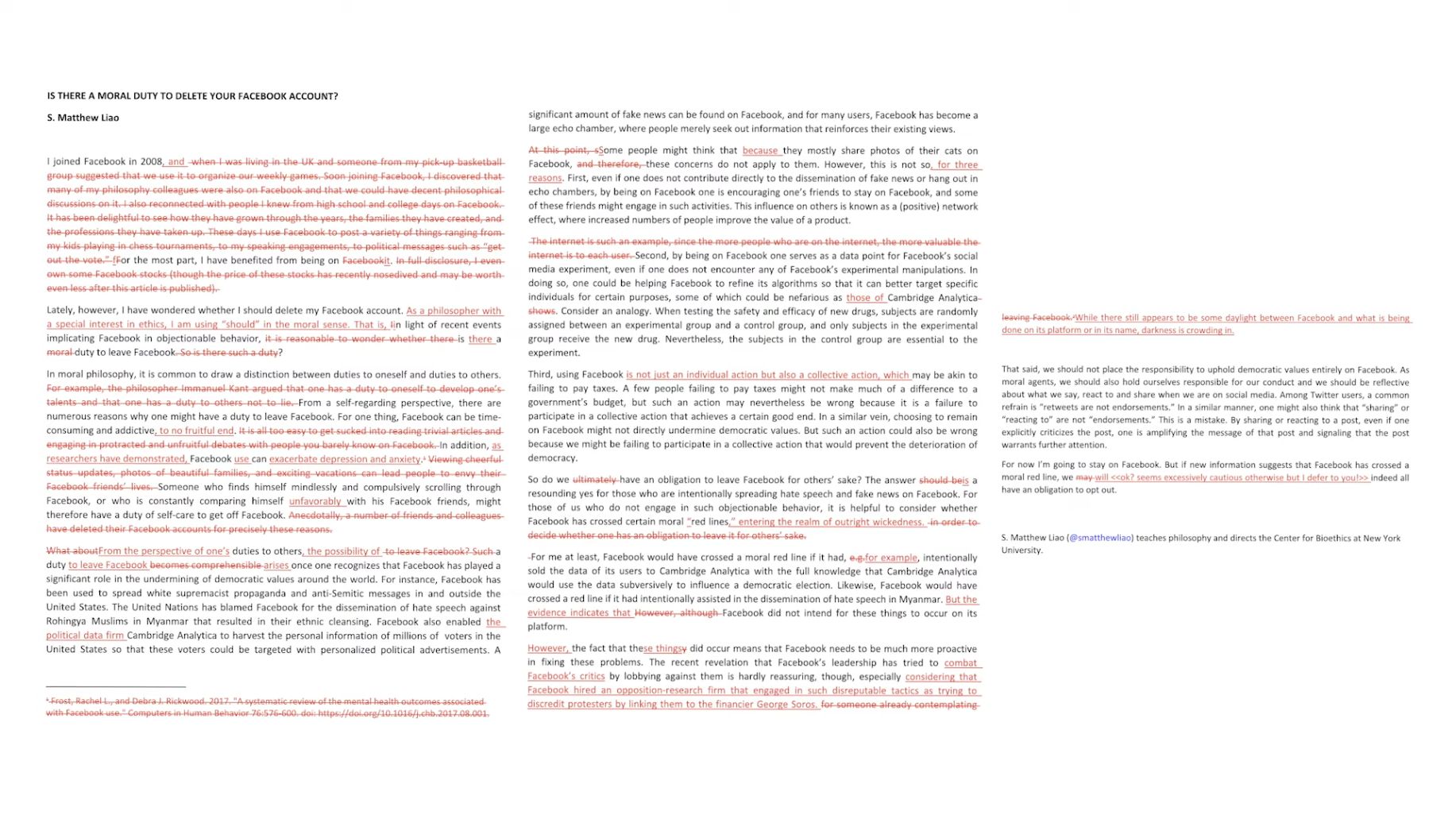
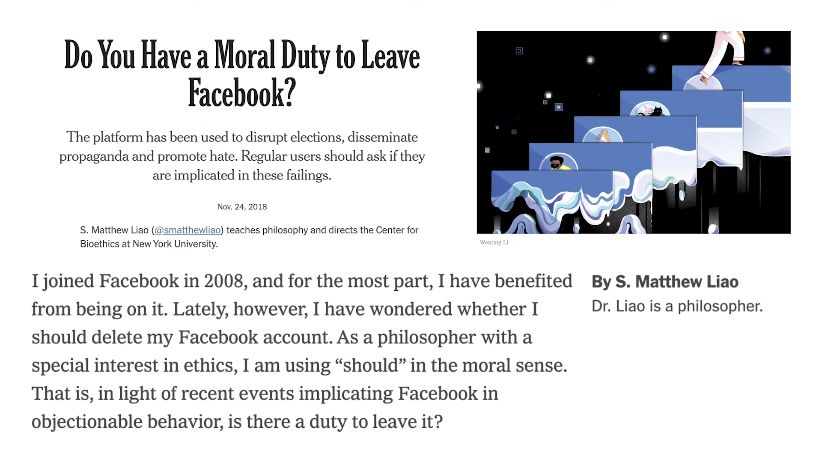
A moral duty to leave Facebook, and writing to a 48-hour deadline.
- Get to the point quick; no need to clear your throat
- The second paragraph self-introduction & clarification
- Bringing some rhetorical drama into a conclusion
- Strengthening a conclusion
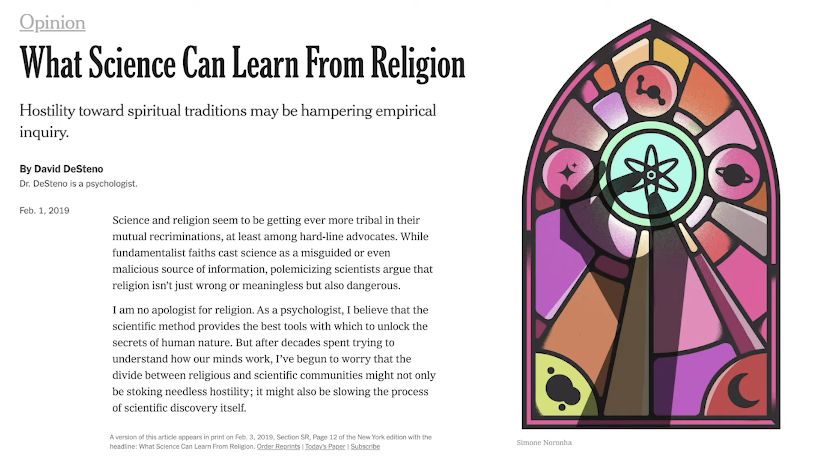
David DeSteno
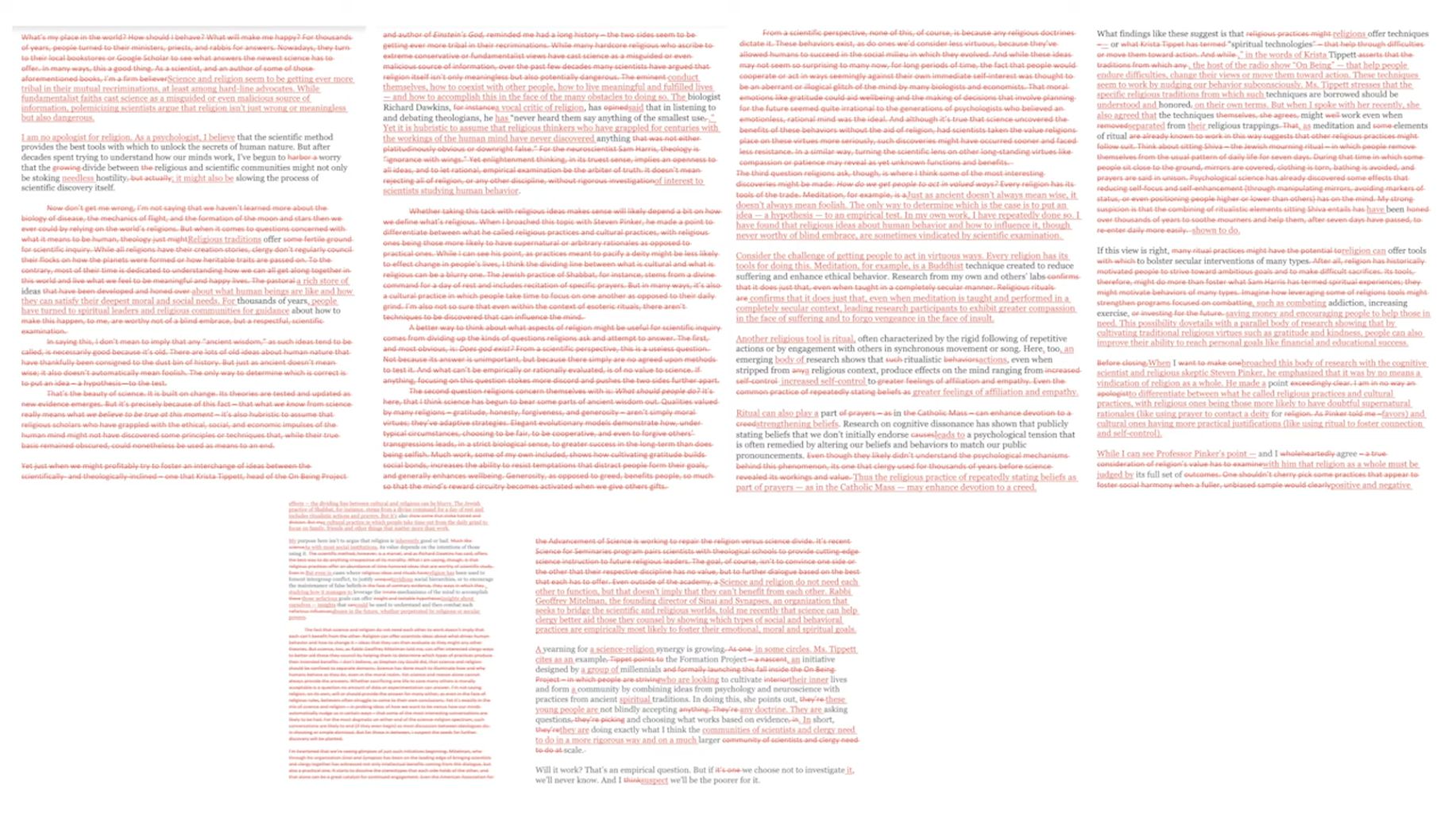
What science can learn from religion, and balancing research with public writing.
- Start with the action, not with what you won't talk about
- An op-ed is at most one idea, start where the action is!
- When it's relevant, state your vantage point up front
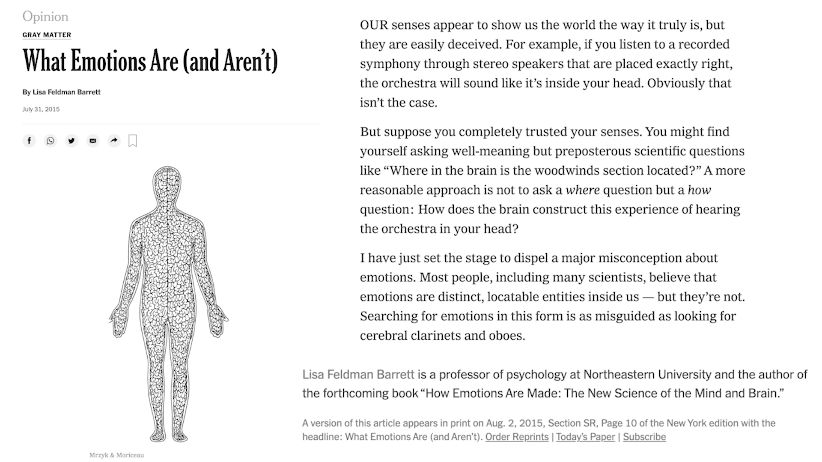
Lisa Feldman Barrett
What emotions are, writing a first book, and the nuances of popular science.
- Use paragraph breaks to set up a three-beat structure
- Go big or go home: signal the magnitude of your claims
- Don't forget your readers: concede intuitive points